
Introduction
SS 304/316 transformer oil collection bottles are stainless steel containers used to draw and preserve oil samples from power and distribution transformers for laboratory testing—including Dissolved Gas Analysis (DGA), Breakdown Voltage (BDV), and moisture content tests. Unlike glass or plastic containers, stainless steel bottles resist corrosion, block light-driven oil degradation, and maintain sample integrity during transport, making them the standard choice for utilities, testing labs, and transformer maintenance teams across India.
Why the Right Sampling Bottle Matters More Than You Think
A transformer’s oil tells the story of what’s happening inside—moisture ingress, insulation breakdown, arcing, or overheating all leave chemical fingerprints in the oil. But that story is only readable if the sample itself hasn’t been contaminated on the way to the lab.
This is where the sampling bottle becomes a critical, if under-discussed, piece of equipment. A bottle that leaches contaminants, reacts with the oil, or fails to seal properly can silently distort lab results—leading to a missed fault, an unnecessary shutdown, or a wrong maintenance call. Stainless steel grades 304 and 316 solve this problem because they are chemically inert to insulating oil, structurally rigid under pressure and temperature swings, and reusable across hundreds of sampling cycles without degrading.
What to Look for Before You Buy
Transformer oil sampling bottles are used to collect and transport insulating oil for laboratory testing, including dissolved gas analysis (DGA), moisture content, acidity, and other oil-quality tests. The bottle must preserve the oil sample in the same condition as it was collected.

For purchasing, especially for utility companies and transformer manufacturers, the following checkpoints are important for ensuring sample integrity, leak prevention, ease of operation, and compliance with the buyer’s specifications.
Double-Ended Design: A double-ended transformer oil sampling bottle is a rigid stainless steel cylinder fitted with a valve or cock at each end. It is designed to collect transformer insulating oil and keep the sample sealed during transportation to a laboratory, including for dissolved gas analysis (DGA).
The two valves allow controlled oil flow during filling and help isolate the sample after collection. Inlet valve: Connects the bottle to the transformer sampling point through suitable oil-resistant tubing and fittings. Outlet valve: Allows controlled discharge of oil and helps facilitate the prescribed filling and sampling procedure. Valve material should be SS 304/SS 316, the same as that of bottle. Both valves should operate smoothly, without sticking, excessive force, or damaged threads. Each valve must close securely and prevent oil leakage and gas escape. The sealing arrangement is particularly important for DGA samples.
Material Grade—Material grade refers to the type and quality of metal used to manufacture the bottle and its components.
SS 304 (stainless steel 304): A common choice for transformer oil sampling bottles. It provides good corrosion resistance and is suitable for many routine oil-sampling applications.
SS316 stainless steel: Offers greater resistance to certain corrosive environments due to its molybdenum content. It may be selected for more demanding service, but it is not automatically necessary for every transformer oil sampling application.
Volume : The required capacity depends on the laboratory tests, the sampling procedure, and the customer’s specification. Common bottle capacities may include 250 ml, 500 ml, 1000 ml, 1500 ml, and 2000 ml, but the correct size must be confirmed against the actual requirement.
Approximate amounts of sample required for various tests are given below
TEST VOLUME
Water 20 ml
DGA 25 ml – 100 ml
Particles 100 ml
Dielectric Dissipation Factor 200 ml
Other Chemical & Physical Tests 250 ml
BDV 500 ml – 1000 ml
Loss of Hydrogen—This is one of the most important technical specifications when purchasing a transformer oil sampling bottle for dissolved gas analysis (DGA). During transformer operation, electrical faults, overheating, and insulation deterioration can generate gases that dissolve in the transformer oil. These gases include hydrogen (H₂), methane, ethylene, acetylene and others.The laboratory measures these gases to help identify potential transformer faults. and is particularly important because it is a small, relatively mobile gas. If the bottle or its seals allow hydrogen to escape during storage and transportation, the laboratory may measure a lower concentration than was present when the sample was collected. This could affect the interpretation of transformer condition. A lower permitted loss generally indicates better gas retention.
As per standard technical specifications, loss of hydrogen should not be more 5% per week. So it is necessary to confirm this criterion with supporting lab documentation
Leakproofness: Leakproofness means the bottle must prevent transformer oil and gases from escaping through the bottle body, welds, valve seats, threaded connections, and seals. It is related to hydrogen retention, but leakproofness and hydrogen-loss performance are not the same thing. A bottle can show no visible oil leakage but still allow small amounts of hydrogen to escape through seals. A bottle can retain hydrogen adequately but have a faulty valve connection that leaks oil when handled. A bottle body can be sound while the valve fitting or connector is defective.
Right Transformer Oil Sampling Bottles have welding with no cracks or pinholes, no visible deformation or damage, and suitable construction for repeated field handling and transportation. Valves of the total assembly should open and close smoothly, and threaded connections should fit correctly. The entire assembly should be tested for leakproofness with a supporting manufacturer’s test certificate.
Thread and connector size—Thread specifications of connectors can be such as ¼-inch BSP, NPT, etc. Confirm the thread type if required specifically.
Tubing and accessories—Oil-resistant, transparent tubing of the suitable size required for sampling transformer oil is usually supplied with a stainless steel bottle assembly. The connector for collecting oil at bottles are provided at both ends of the bottle. Connector at the equipment can also be asked however it depends on the type and size of the valve at transformer end.
How These Bottles Are Used in the Field
Field sampling typically follows a consistent sequence, regardless of bottle grade:
- Flush the sampling valve to clear stagnant oil and debris before collection.
- Rinse the bottle with a small quantity of the transformer oil being sampled.
- Fill the bottle from the bottom using a sampling tube to minimize turbulence and air entrapment.
- Record the oil temperature at the time of sampling for accurate moisture interpretation.
- Seal immediately and label with asset ID, location, and date before transport to the lab.
Because stainless steel bottles don’t react with hydrocarbons the way some plastics can and don’t carry the breakage risk of glass during transport, they’ve become the preferred format for utilities running routine condition-monitoring programs across multiple substations.
Why Choose Mahabali Industries for Transformer Oil Collection Bottles
Mahabali Industries manufactures SS 304 and SS 316 transformer oil collection bottles built specifically for the demands of Indian substation and testing-lab environments. Every batch is built to match the sampling standards your testing protocol already follows, so lab results reflect the transformer’s actual condition.
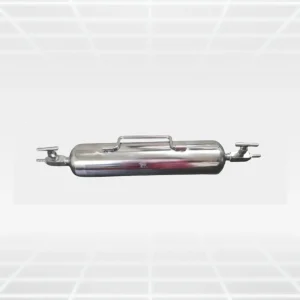
Whether you’re outfitting a single testing lab or standardizing sampling equipment across a utility-wide maintenance program, Mahabali Industries supplies both grades in standard and custom capacities.
Frequently Asked Questions
1. What is the difference between SS 304 and SS 316 oil sampling bottles?
SS 304 is a standard chromium-nickel stainless steel suitable for most routine oil sampling. SS 316 adds molybdenum, giving it stronger resistance to corrosion in humid, coastal, or chemically aggressive environments. Both are safe for direct contact with transformer oil.
2. Why can’t plastic bottles be used for transformer oil sampling?
Plastic containers can leach compounds into the oil or absorb dissolved gases from the sample, which distorts Dissolved Gas Analysis (DGA) results. Industry guidelines such as IEC 60567 specifically call for glass or metal containers for transformer oil sampling—never plastic.
3. What size sampling bottle should I use for DGA testing?
The required capacity depends on the laboratory tests, the sampling procedure, and the customer’s specification. Common bottle capacities may include 250 ml, 500 ml, 1000 ml, 1500 ml, 2000 ml, or as per customers’ specific requirements.
How many times can a stainless-steel oil sampling bottle be reused?
With proper cleaning between uses, SS 304 and SS 316 bottles can be reused for hundreds of sampling cycles without degrading, since stainless steel does not corrode or react with insulating oil under normal conditions.
4. Are SS transformer oil bottles compliant with Indian and international standards?
- Yes. Quality-manufactured stainless steel sampling bottles are designed to testing of oil can be done as per IS: 9434, IS: 10593 & IS: 1866, and sampling of oil can be done as per IEC: 60567
Get SS 304/316 Transformer Oil Collection Bottles from Mahabali Industries.
For durable, standards-compliant transformer oil sampling bottles built for accurate lab results, explore Mahabali Industries’ SS 304 and SS 316 range, or get in touch for bulk and custom-capacity orders.
